About KFS
Food is the beginning.
Not the boundary.
KFS follows food beyond the plate — into heritage, identity, knowledge, hospitality, tourism, enterprise, trade and diplomacy.
Opening 1 December 2026
The proposition
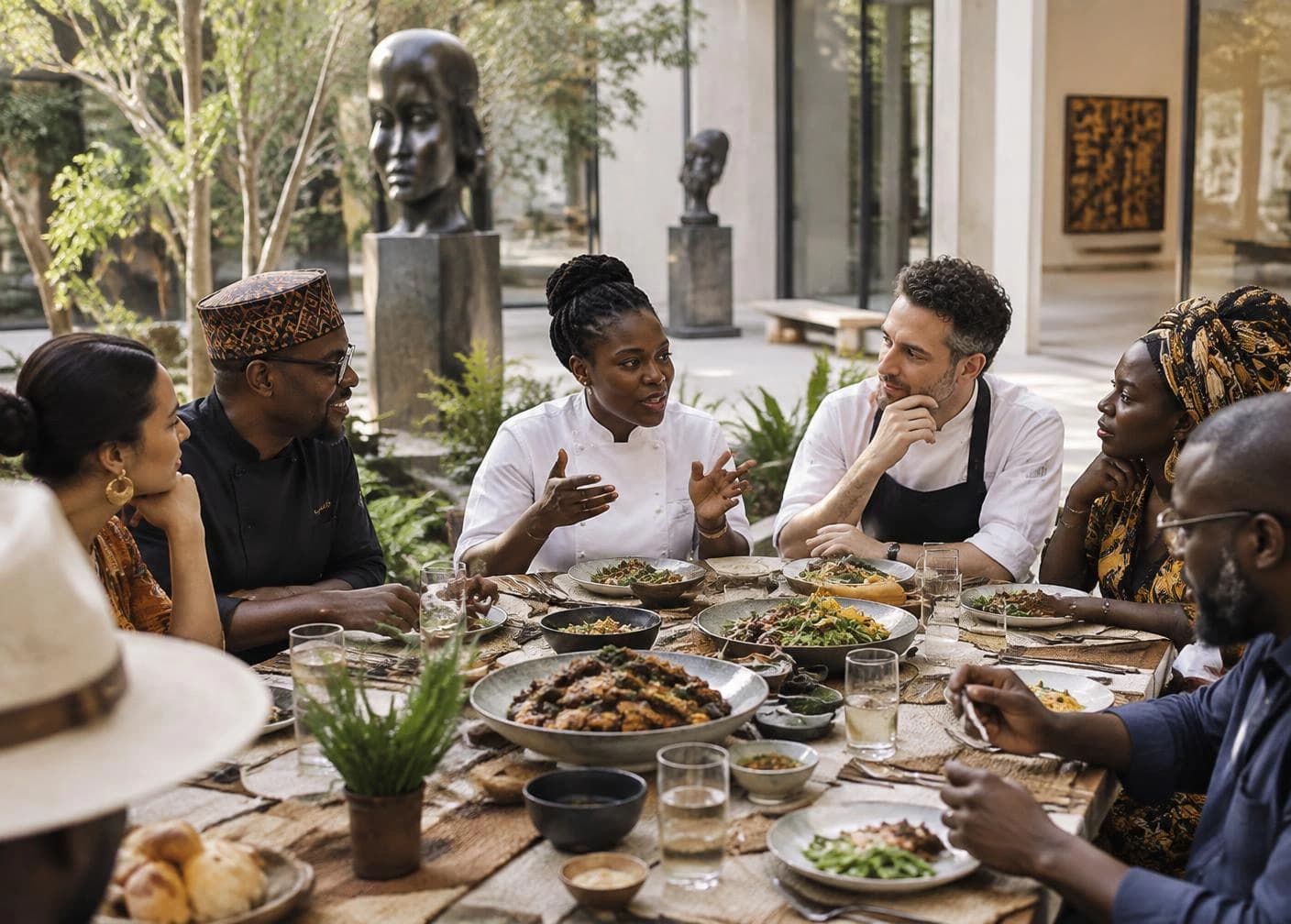
KFS is not simply about what Africa eats. It is about what Africa can build around food.
Food carries cultural memory and indigenous knowledge. It holds techniques, ingredients, rituals and stories that help communities understand who they are.
It is also an economic system: creating products, livelihoods, hospitality experiences, destinations, enterprises, markets, trade relationships and diplomatic bridges.
The central question
CAN AFRICA TURN ITS FOOD HERITAGE INTO ECONOMIC POWER?
Africa possesses extraordinary culinary traditions, indigenous knowledge and food heritage. The question is whether that heritage can move beyond celebration — into skills, enterprise, tourism, markets, trade and lasting economic value.
Heritage and enterprise
Commercialisation can keep heritage alive.
Africa does not need to abandon its food heritage to commercialise it. It needs to understand it, protect it, reinterpret it, present it and connect it to markets.
Heritage
Protect what communities know.
Hospitality
Turn cuisine into meaningful experience.
Tourism
Let food tell the story of place.
Enterprise
Create value without erasing origin.
Trade
Connect African products to markets.
Diplomacy
Build exchange through a shared table.
In action — October 2026
Beyond the table.
150+ participants. Five diplomatic missions. Two culinary traditions. One shared ingredient.
150+
Participants
5
Diplomatic missions
5
Culinary institutions
30
Countries reached
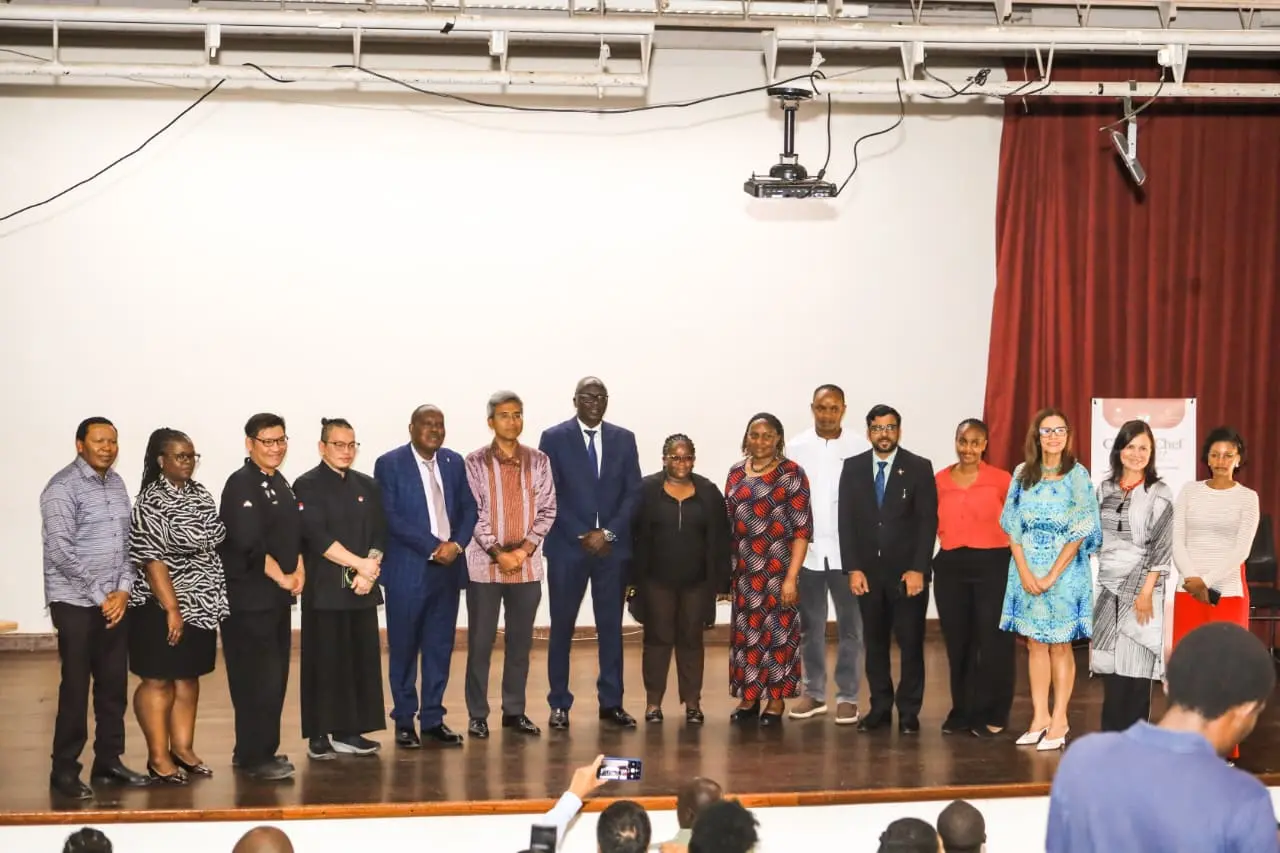
28 October 2026 · National Museums of Kenya, Nairobi
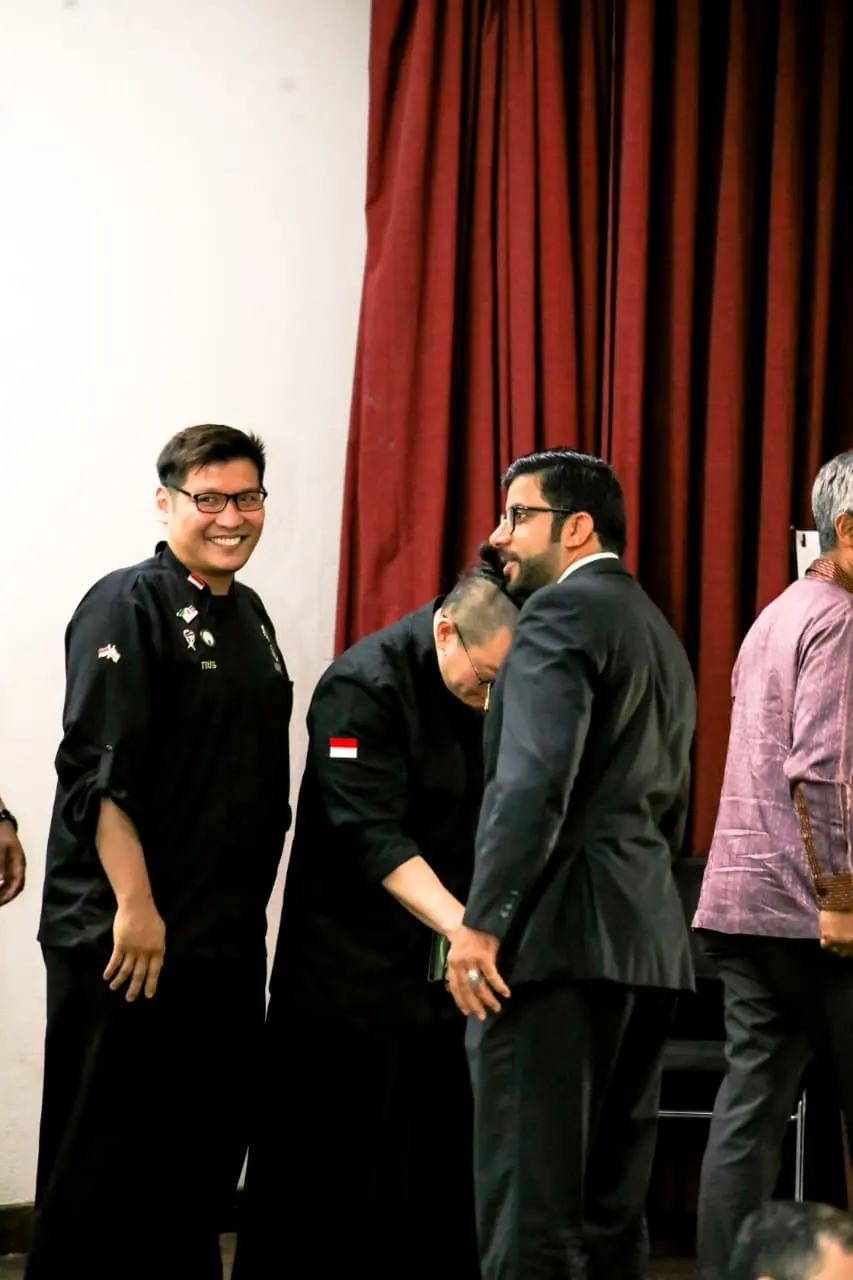
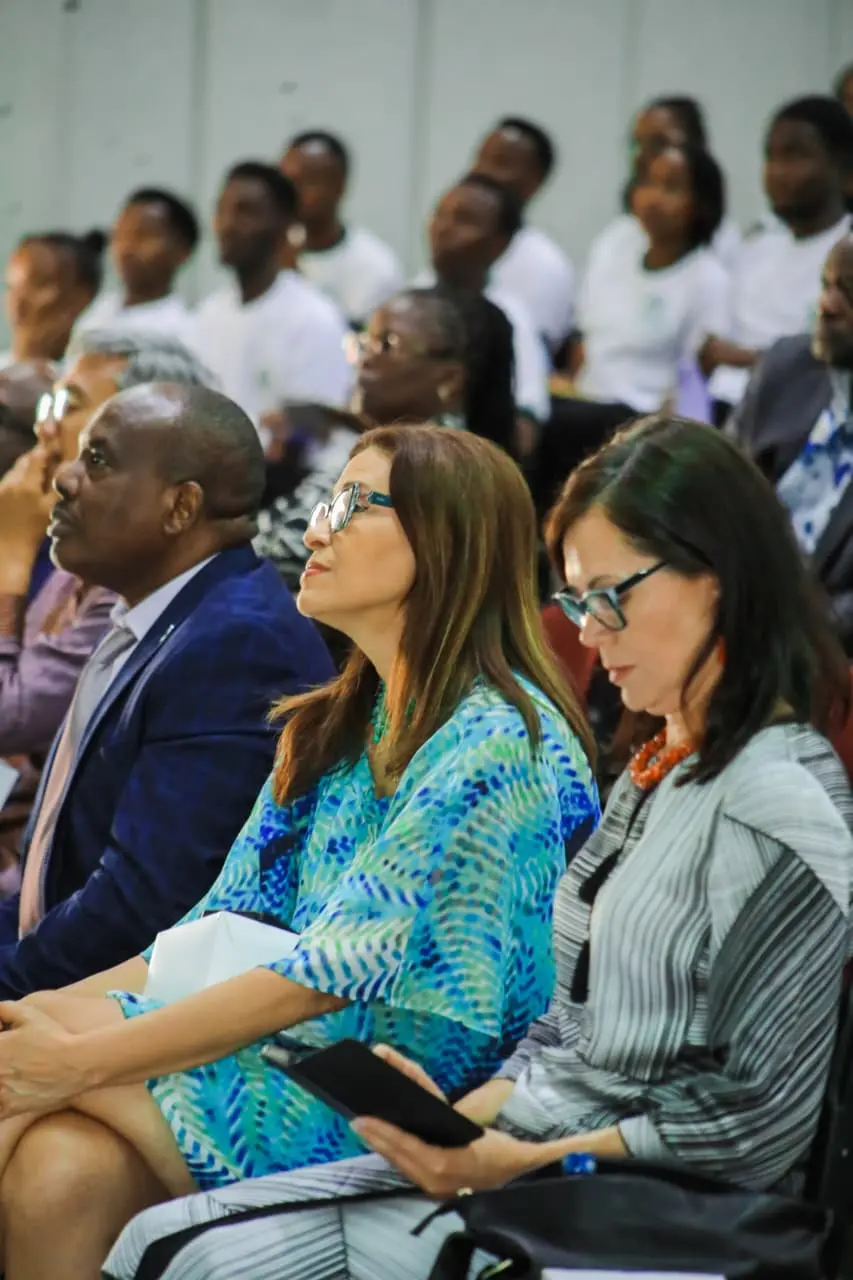
Indonesia–Kenya Culinary Dialogue & Exchange 2026
Indonesia–Kenya Culinary Dialogue & Exchange 2026 · National Museums of Kenya, 28 October 2026
Two countries, one conversation
Dialogue between Indonesian and Kenyan practitioners.
Chefs Matius Faisal Martadinata, Philip Budihardja and John Njoroge connected professional practice with the deeper stories behind ingredients, preparation methods and food traditions.
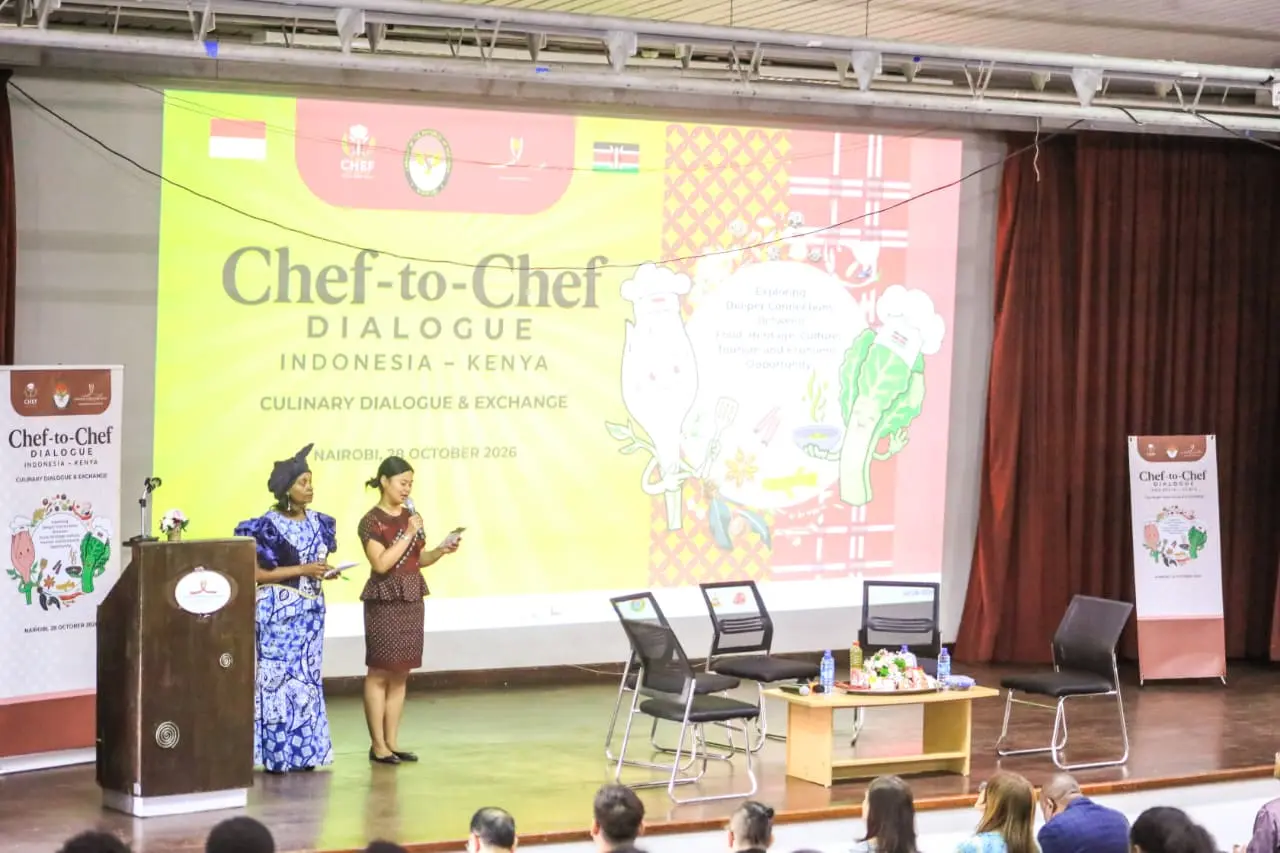
One shared ingredient
Cassava connects two culinary worlds.
Both countries demonstrated traditional ways of preparing cassava, including the leaves — the same ingredient, two distinctive culinary identities, and generations of knowledge in every technique.
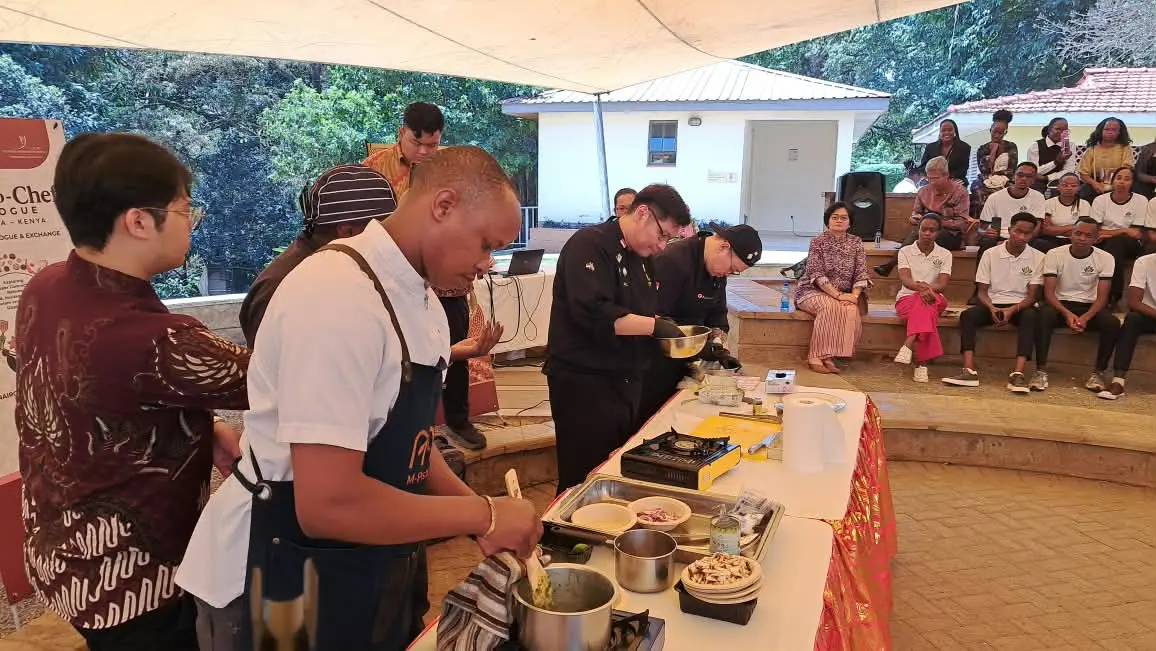
The next generation
Students taste the future of food.
Termite and cricket cakes, presented through familiar formats, turned food innovation from theory into something students could see, taste and question.
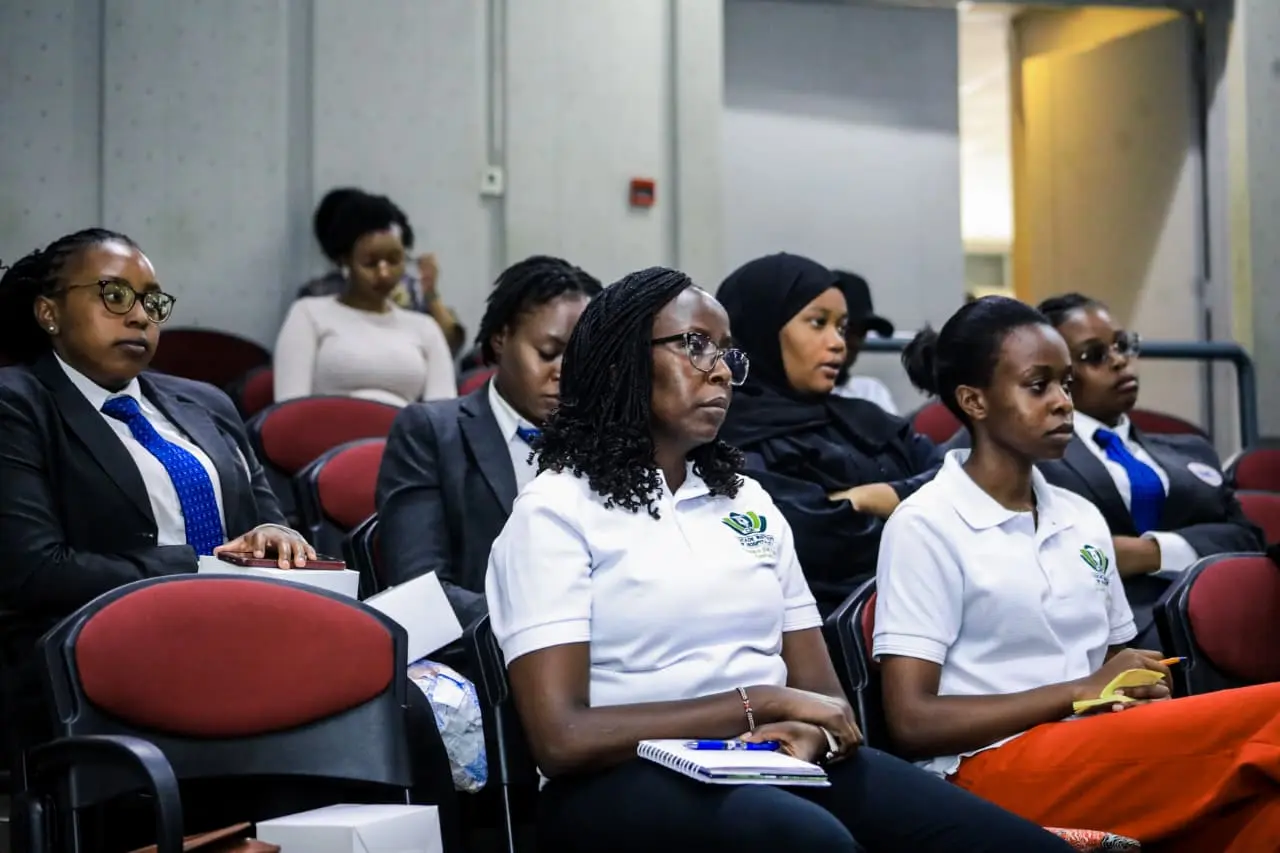
“Food heritage is not only found in celebrated dishes. It also lives in everyday ingredients, techniques and the knowledge communities have built around them.”
KFS Editorial — Indonesia–Kenya Culinary Dialogue
“It was not simply an exchange of dishes. It was an exchange of knowledge, perspectives and possibilities.”
KFS Editorial — Indonesia–Kenya Culinary Dialogue
What it set in motion
From exchange to outcomes.
Curriculum reviews
Five culinary institutions expressed intent to give African and Kenyan heritage cuisines greater coverage.
Documenting knowledge
A foundation for recording indigenous food knowledge, ingredients and techniques.
Exchange pipeline
Chef-to-chef and institutional partnerships ready to grow from the relationships formed.
Where heritage meets the future
National Museums of Kenya
Heritage Knowledge Partner & Host
The setting grounds KFS in the relationship between living heritage, knowledge and the future of Africa’s food economy.