Beyond the Table: Indonesia and Kenya Explore New Frontiers in Culinary Diplomacy
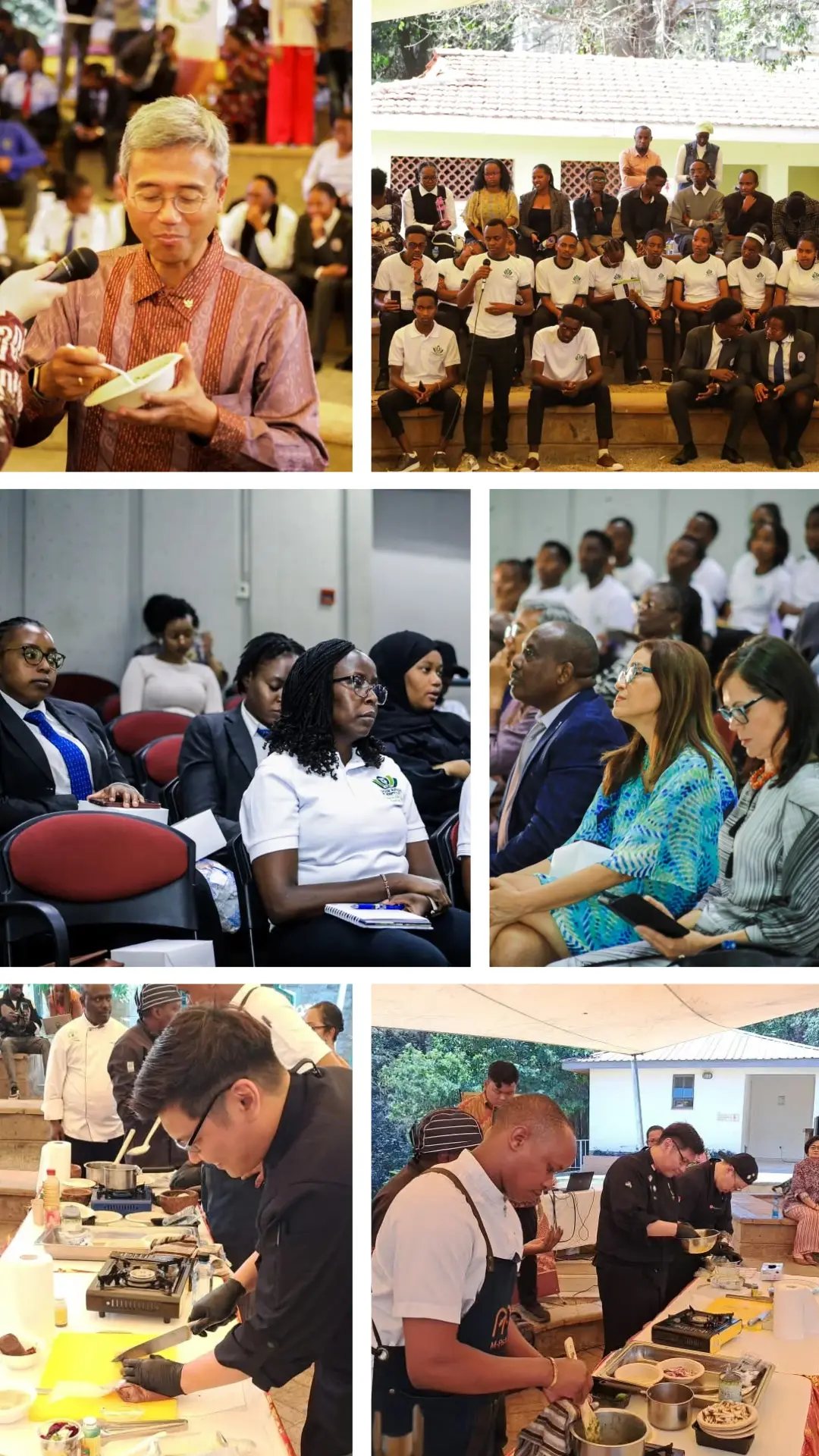
More than 150 participants gathered at the National Museums of Kenya in Nairobi on 28 October 2026 for the Indonesia–Kenya Culinary Dialogue & Exchange 2026, an engagement that placed food heritage at the centre of conversations about culture, education, tourism, innovation and international cooperation.
Convened by the Chef of Kenya National Culinary Mission in collaboration with the Embassy of the Republic of Indonesia in Kenya, and hosted by the National Museums of Kenya as Heritage & Knowledge Partner, the event brought together diplomatic representatives, chefs, culinary educators, students, researchers and hospitality professionals.
The exchange demonstrated that food can do much more than bring people together around a table. It can open conversations about shared heritage, indigenous knowledge, economic possibilities and the relationships that connect communities across borders.
Diplomatic Representatives Join the Conversation
The gathering received distinguished diplomatic participation from five representatives:
- H.E. T.B.H. Witjaksono Adji, Ambassador of the Republic of Indonesia to Kenya.
- H.E. Danlami Ibrahim, Ambassador of the Federal Republic of Nigeria to Kenya.
- Mr. Khalid Mohammed Al Khatri, First Secretary, Embassy of the Sultanate of Oman, attending on behalf of H.E. the Ambassador.
- Ms. Ana Karina Hernandez, Minister Counsellor and Deputy Permanent Representative to UNEP, UN-HABITAT and the East African Community, Venezuela.
- Ms. Lizzet Carolina Jimeno Malave, Counsellor, Venezuela.
Their presence added an important diplomatic dimension to the exchange, reflecting the value of cultural engagement in strengthening understanding and cooperation between nations.
Opening remarks were delivered by Prof. Mary Gikungu, Director General of the National Museums of Kenya, followed by remarks from H.E. T.B.H. Witjaksono Adji, Ambassador of Indonesia to Kenya.
Two Countries, One Conversation
At the heart of the event was a dialogue between Indonesian and Kenyan culinary practitioners, exploring how food traditions carry cultural identity, indigenous knowledge and generations of experience.
The culinary exchange featured Chef Matius Faisal Martadinata, Chef Philip Budihardja and Chef John Njoroge, Chef of Kenya 2026. Their contributions connected professional culinary practice with the deeper stories behind ingredients, preparation methods and food traditions.
The conversation moved beyond recipes and presentation. It examined how culinary heritage can be preserved, interpreted and shared, while remaining relevant to contemporary hospitality, education and food innovation.
Cassava Connects Two Culinary Worlds
One of the most meaningful points of connection between Indonesia and Kenya was cassava.
Both countries demonstrated traditional ways of preparing the crop, including the use of cassava leaves. Although the ingredient is familiar in both food cultures, the exchange revealed different approaches to its preparation and use.
This shared crop offered a practical illustration of how communities can work with similar ingredients while developing distinctive culinary identities.
It also brought attention to the knowledge embedded in traditional food practices: how ingredients are selected, prepared and used, and how these methods are passed from one generation to another.
The cassava exchange was a reminder that food heritage is not only found in celebrated dishes. It also lives in everyday ingredients, techniques and the knowledge communities have built around them.
When Food Innovation Meets the Next Generation
Another memorable feature was the presentation of termite and cricket cakes prepared by Anne Nyandiala of the Department of Invertebrate Zoology, National Museums of Kenya.
The insect-based cakes introduced participants to alternative food resources through familiar culinary formats. Students were particularly enthusiastic about the tasting experience, enjoying the opportunity to encounter ingredients they might not ordinarily associate with conventional cakes.
The experience opened up a wider conversation about food diversity, innovation and the possibilities of exploring indigenous food resources in new ways.
It also demonstrated the value of making food innovation tangible. Rather than discussing alternative ingredients only in theory, participants could see, taste and engage with them directly.
A Significant Step for Culinary Education
The exchange brought together students and staff from five Kenyan culinary and hospitality training institutions:
- Kenya Utalii College
- Boma International Hospitality College
- IHTI
- Cascade Institute of Hospitality
- Top Chefs Institute
Their participation was particularly important because the future of culinary heritage depends partly on what is taught, practised and valued in professional training environments.
During the engagement, representatives of participating institutions expressed an intention to review their curricula to incorporate greater coverage of African and Kenyan heritage cuisines.
This was an encouraging development. It recognised the importance of preparing future chefs and hospitality professionals not only in international culinary techniques, but also in the food traditions, ingredients and indigenous knowledge of their own societies.
The intention expressed provides a basis for continued engagement with the institutions as they consider how heritage cuisines can receive greater attention within their respective training programmes.
Beyond Cuisine: The Wider Business of Food
The event's theme deliberately connected food heritage to culture, tourism, economic opportunities and well-being.
This wider perspective recognises that food traditions have significance beyond the kitchen. They can inform tourism experiences, support local enterprise, create opportunities for food innovation and strengthen the identity of destinations.
For chefs and hospitality professionals, understanding heritage ingredients and culinary traditions can enrich menus and guest experiences. For educators and researchers, it can open opportunities for documentation, learning and knowledge exchange. For cultural institutions, it reinforces the importance of preserving food-related knowledge as part of a society's wider heritage.
The dialogue offered a shared space for these perspectives to meet.
The Role of Culinary Diplomacy
The Indonesia–Kenya Culinary Dialogue & Exchange demonstrated how food can serve as a practical instrument of cultural diplomacy.
Through shared ingredients, demonstrations, dialogue and tasting, participants experienced aspects of another country's food culture while reflecting on their own.
The presence of diplomatic representatives from Indonesia, Nigeria, Oman and Venezuela further illustrated the capacity of culinary engagement to bring together people and institutions from different countries around a constructive cultural conversation.
Culinary diplomacy is not limited to presenting national dishes. It is also about creating opportunities to understand the histories, knowledge systems and people behind them — and using those connections to build lasting relationships.
Continuing the Conversation
The exchange has created a foundation for continued engagement among culinary institutions, chefs, researchers, heritage organisations and diplomatic partners.
Potential areas for further collaboration include documenting indigenous food knowledge, strengthening the place of African and Kenyan heritage cuisines in culinary education, exploring traditional ingredients and alternative food resources, and developing further opportunities for chef-to-chef and institutional knowledge exchange.
The intention expressed by participating institutions to consider curriculum reviews is one important area to follow through, while the connections established during the event provide opportunities for broader cooperation.
The next step is to build on the conversations and relationships established, translating shared interest into practical areas of collaboration.
Food Creates the Table
The Indonesia–Kenya Culinary Dialogue & Exchange 2026 reinforced a simple but important idea: food is one of the most accessible ways through which people can encounter one another's cultures.
A shared crop such as cassava can reveal different traditions. An unfamiliar ingredient can challenge assumptions and stimulate curiosity. A conversation between chefs can open wider questions about heritage, education and the future of food.
With more than 150 participants brought together at the National Museums of Kenya, the engagement demonstrated the value of creating spaces where culinary practice, cultural knowledge, education and diplomacy can meet.
It was not simply an exchange of dishes. It was an exchange of knowledge, perspectives and possibilities.
And that is where the wider promise of culinary diplomacy lies: in using the food heritage of our communities to build understanding, create opportunity and shape stronger connections across the world.
About the Chef of Kenya National Culinary Mission
The Chef of Kenya National Culinary Mission was established to advance Culinary Excellence, Hospitality Leadership & Culinary Diplomacy.
Its work has increasingly expanded beyond cuisine itself to examine the relationship between food heritage, indigenous knowledge, hospitality, tourism, enterprise and the wider systems that connect food to communities and economies.
Through engagements, partnerships and knowledge exchange, the Mission seeks to position culinary heritage as a meaningful contributor to cultural identity, professional development, economic opportunity and international cooperation.
Kenya Food Summit & Expo 2026
Africa's Food Heritage. Africa's Food Economy. The World at One Table.
Nairobi, Kenya · 1–2 December 2026
Join the conversation
Be part of
the summit.
Register for the Kenya Food Summit & Expo 2026 to attend the sessions, exchange ideas, and connect with the chefs, scientists, entrepreneurs, and advocates shaping Africa's food future.
Event details
1–2 December 2026
National Museums of Kenya, Nairobi
Hosted by National Museums of Kenya
Explore more
Read more news